


As a supplier of sliding gate openers, I often get asked whether our products can be used in all weather conditions. This is a crucial question for many customers, especially those who live in areas with extreme weather. In this blog post, I'll delve into the capabilities of sliding gate openers in various weather scenarios and share insights to help you make an informed decision.
Understanding the Basics of Sliding Gate Openers
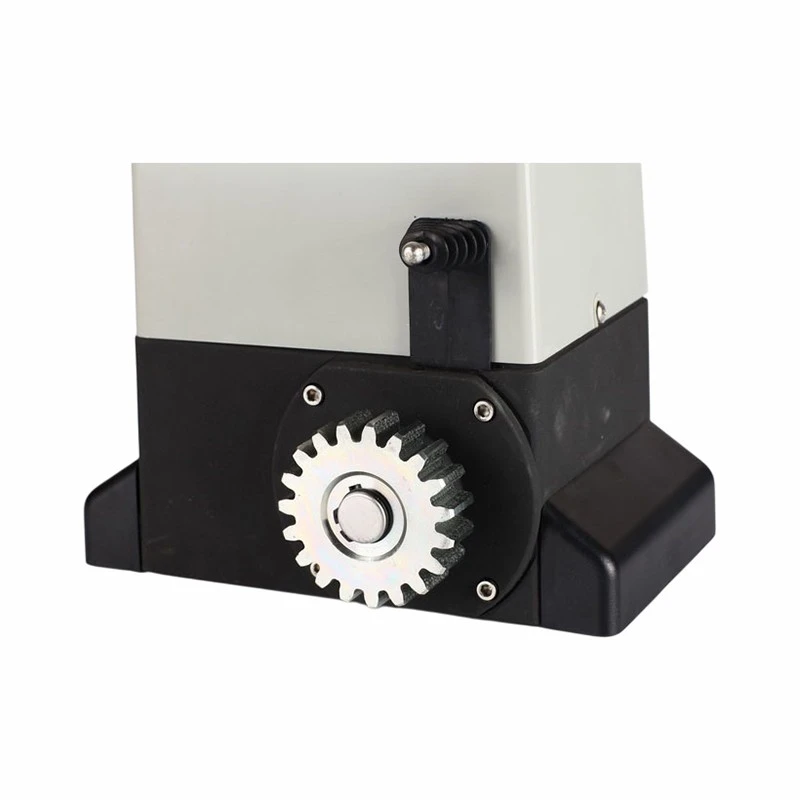
Before we discuss the impact of weather, let's briefly understand how sliding gate openers work. These devices are designed to automate the opening and closing of sliding gates. They typically consist of a motor, a control unit, and a drive mechanism. The motor provides the power, the control unit manages the operation, and the drive mechanism moves the gate along its track.
Sliding gate openers come in different types, including Heavy Duty Commercial Gate Openers, Automatic Gate Opener System, and Electric Sliding Gate Openers. Each type is engineered to meet specific needs, whether for residential or commercial use.
Performance in Sunny and Dry Conditions
In sunny and dry weather, sliding gate openers generally perform optimally. The lack of moisture reduces the risk of corrosion and electrical malfunctions. The gate can move smoothly along the track, and the motor doesn't have to work against the resistance caused by water or ice. The control unit also functions reliably, as there are no environmental factors that could interfere with its operation.
However, it's important to note that prolonged exposure to direct sunlight can cause the components of the gate opener to heat up. This can lead to premature wear and tear, especially if the opener is not properly ventilated. To mitigate this issue, we recommend installing the gate opener in a shaded area or using a protective cover.
Dealing with Rain and Humidity
Rain and high humidity can pose challenges to sliding gate openers. Water can seep into the motor and control unit, causing short circuits and corrosion. The track can also become slippery, which may affect the gate's movement. To ensure the longevity of the gate opener in wet conditions, it's essential to choose a model that is waterproof and corrosion-resistant.
Our sliding gate openers are designed with high-quality materials and advanced sealing technology to prevent water ingress. The motors are enclosed in waterproof casings, and the electrical connections are insulated to protect against moisture. Additionally, the tracks are treated with anti-corrosion coatings to resist rust and deterioration.
Surviving Snow and Freezing Temperatures
In regions with cold winters, snow and freezing temperatures can test the durability of sliding gate openers. Snow accumulation on the track can obstruct the gate's movement, and ice can form on the components, making them brittle and prone to damage. The motor may also have to work harder to overcome the resistance caused by the cold.
To address these issues, our sliding gate openers are equipped with features that enhance their performance in cold weather. The motors are designed to operate at low temperatures, and the drive mechanisms are built to withstand the stress of moving heavy gates in snow and ice. We also recommend using a snow removal system to keep the track clear and applying a lubricant to prevent ice formation.
Withstanding Wind and Storms
Strong winds and storms can put a lot of pressure on sliding gates and their openers. High winds can push the gate off the track or cause it to sway, which may damage the opener. Lightning strikes can also pose a risk to the electrical components of the gate opener.
To ensure the safety and reliability of the gate opener in windy conditions, it's important to install it properly and use a sturdy mounting system. Our sliding gate openers are designed to withstand high winds, and they come with features such as wind locks and anti-sway devices to keep the gate stable. Additionally, we recommend installing a lightning protection system to safeguard the electrical components from damage.
Conclusion
In conclusion, while no sliding gate opener can be completely immune to the effects of weather, our products are designed to perform reliably in a wide range of conditions. By choosing a high-quality gate opener and following the recommended maintenance procedures, you can ensure that your gate operates smoothly and safely all year round.

If you're interested in purchasing a sliding gate opener for your property, we invite you to contact us for more information. Our team of experts will be happy to assist you in selecting the right model for your needs and provide you with professional installation and maintenance services. Don't hesitate to reach out to us to start the procurement negotiation process.
References
- Manufacturer's specifications and technical documentation for sliding gate openers.
- Industry standards and guidelines for gate opener performance in different weather conditions.
- Case studies and customer testimonials on the durability of sliding gate openers in various climates.


