


Installing a security keypad for a sliding gate opener is a great way to enhance the security and convenience of your property. As a trusted sliding gate opener supplier, I've witnessed firsthand the transformative impact that a well - installed security keypad can have. In this blog, I'll guide you through the process of installing a security keypad for your sliding gate opener, step by step.
Why Install a Security Keypad?
Before we delve into the installation process, let's briefly discuss why you might want to install a security keypad for your sliding gate opener. A security keypad provides an additional layer of security for your property. It allows you to control who has access to your premises by setting unique access codes for family members, guests, or service providers. Moreover, it offers convenience, as you can open the gate without having to use a remote control, especially when your hands are full.
Tools and Materials You'll Need
- Drill and drill bits: To make holes for mounting the keypad and running wires.
- Screwdriver set: For attaching the keypad and other components.
- Wire strippers: To prepare the wires for connection.
- Electrical tape: To insulate the wire connections.
- Security keypad: Make sure it is compatible with your sliding gate opener. You can find a wide range of suitable keypads when exploring our Automation Systems for Sliding Gates.
- Wiring: The appropriate gauge and length of wire to connect the keypad to the gate opener.
- Mounting hardware: Such as brackets and screws to securely mount the keypad.
Step 1: Choose the Right Location
The first step in installing a security keypad is to choose the right location for it. The keypad should be easily accessible for users but also protected from the elements and potential damage. A good location is usually on a sturdy post near the gate entrance. Make sure it is at a comfortable height for people to enter codes, typically around waist - level. Avoid placing it in areas prone to flooding or direct sunlight, as this can damage the keypad over time.

Step 2: Prepare the Mounting Surface
Once you've chosen the location, you need to prepare the mounting surface. If you're mounting the keypad on a post, clean the surface to ensure a good bond. Mark the positions for the mounting holes on the post according to the template provided with the keypad. Use a drill to make the holes, and then insert wall plugs if necessary.
Step 3: Mount the Keypad
Now it's time to mount the keypad. Place the keypad over the holes on the post and align it properly. Use the provided screws to attach the keypad to the post. Make sure it is firmly secured and level. If the keypad comes with a mounting bracket, install the bracket first and then attach the keypad to the bracket.
Step 4: Run the Wiring
The next step is to run the wiring from the keypad to the sliding gate opener. You need to determine the best route for the wires to avoid any obstacles and minimize the risk of damage. If possible, run the wires through a conduit to protect them from physical damage and environmental factors. Use a drill to make holes in the post and the gate opener housing to pass the wires through.
Strip the ends of the wires using wire strippers. Connect the wires from the keypad to the corresponding terminals on the gate opener according to the manufacturer's instructions. Usually, there will be labels indicating which wire goes where. After connecting the wires, secure them with electrical tape to prevent any short - circuits.
Step 5: Program the Keypad
Once the keypad is installed and wired, it's time to program it. Different keypads have different programming procedures, so refer to the user manual for detailed instructions. You'll typically need to set a master code, which can be used to add, delete, or change user codes. You can then add individual codes for family members, friends, or service providers.
Step 6: Test the Keypad
After programming the keypad, it's crucial to test it to ensure it is working properly. Enter the master code or a user code on the keypad and check if the gate opens and closes as expected. If there are any issues, double - check the wiring connections and the programming settings.
Troubleshooting Tips
- No power to the keypad: Check the power supply to the gate opener and make sure the wiring connections are secure.
- Codes not working: Make sure you've programmed the codes correctly. You may need to reprogram the keypad.
- Gate not responding: Check the wiring between the keypad and the gate opener. There could be a loose connection or a damaged wire.
Conclusion
Installing a security keypad for a sliding gate opener is a relatively straightforward process that can significantly enhance the security and convenience of your property. By following the steps outlined in this blog, you can successfully install a keypad and start enjoying the benefits it offers.
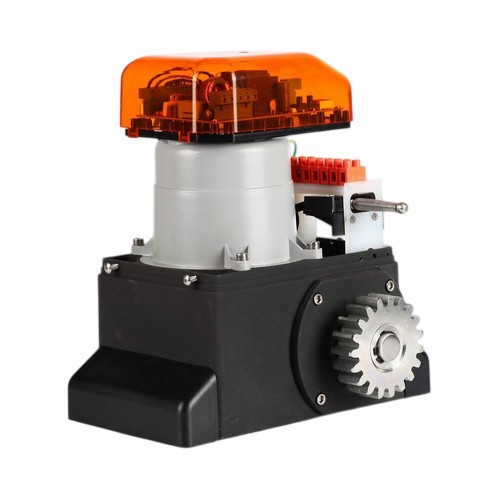
If you're in the market for a high - quality sliding gate opener or related accessories, we're here to help. Our Sliding Gate Door Opener and Heavy Duty Automatic Gate Opener are designed to meet the diverse needs of our customers. Whether you need a solution for a residential or commercial property, we have the expertise and products to provide you with the best options.
If you have any questions or are interested in purchasing our products, please don't hesitate to contact us for a procurement discussion. We're committed to providing you with the best service and products to ensure your satisfaction.
References
- Manufacturer's manuals for the sliding gate opener and security keypad.
- Electrical installation guides for gate openers.


